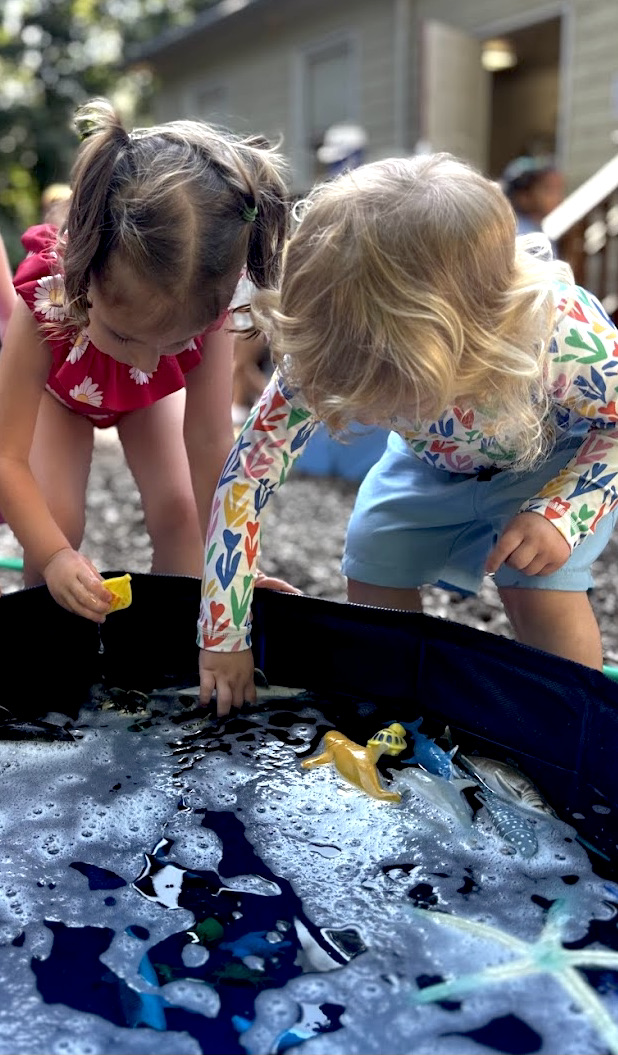
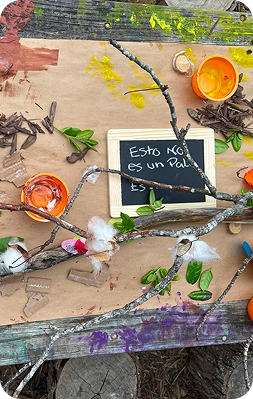
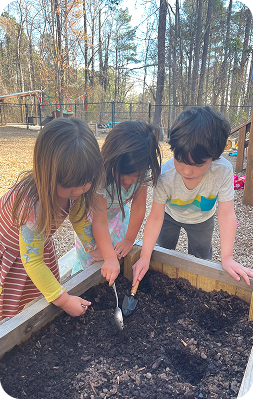
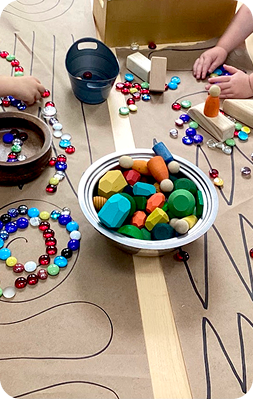
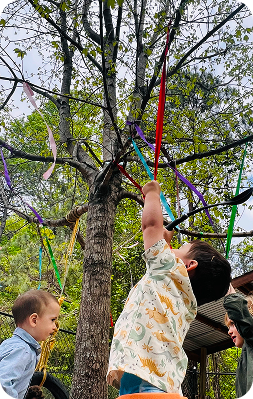
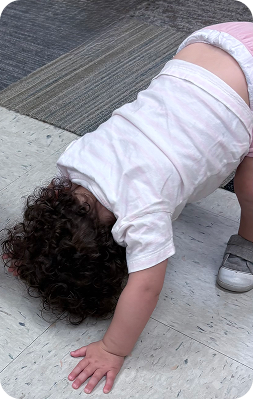
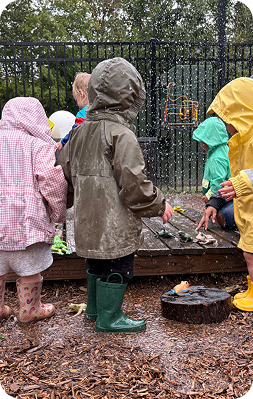
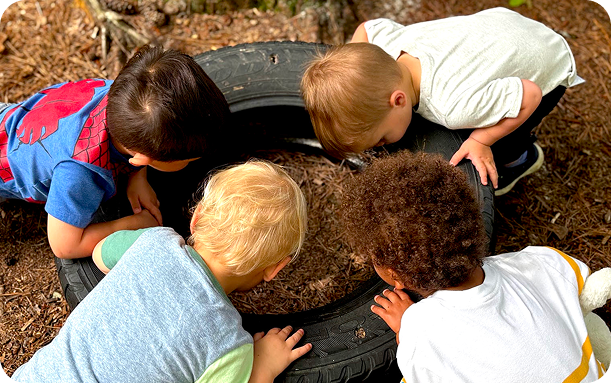
Children learn by doing: building something that falls down, mixing two colors to discover a third, and negotiating how to share a favorite material with a friend. We call this playful learning, and it happens throughout the day, not just during a structured lesson. We believe children aren’t passive recipients of information but rather researchers, thinkers, and protagonists of their own learning.
Welcome to Sounds and Colors
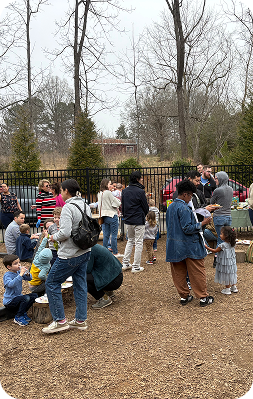
Since 2011, Sounds and Colors has been a pioneering force in the NC Triangle, bringing to life a unique blend of the Reggio Emilia Approach and Spanish Immersion. Rooted in playful learning and deep respect for childhood, our schools are joyful villages where children are seen as capable, curious, and full of potential. We are proud to nurture a vibrant community that celebrates diversity, connection, and the power of early education to inspire lifelong learning.


Our Differentiators
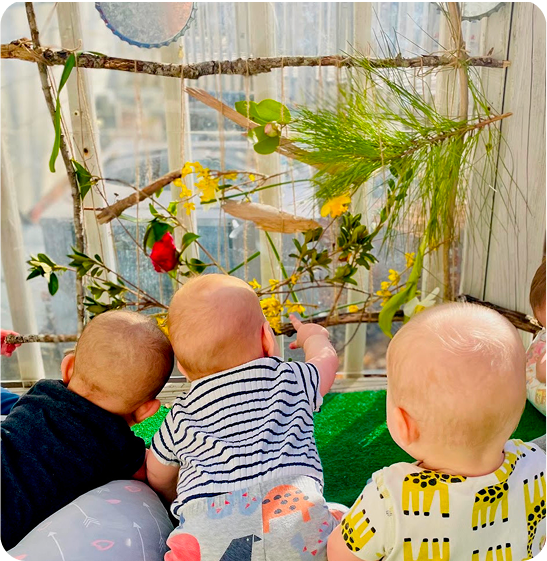
Sounds and Colors is more than a school—it is a living philosophy in action. Since 2011, we have proudly led the way as the first to introduce a Reggio Emilia-inspired, Spanish Immersion early childhood program to the NC Triangle area. Our approach is not accidental—it is the result of years of reflection, collaboration, and intentional design.
Our team has identified and embraced a series of key differentiators that shape the daily life of our schools. These elements—ranging from environments designed with intention and beauty, to the pedagogy of listening, to our commitment to play as a child’s right—are woven together to create a powerful and cohesive learning culture.
Children are seen as protagonists in their own learning journeys, guided by educators who are reflective, deeply caring, and committed to ongoing professional growth. We honor the image of the child as capable, creative, and full of potential. We build strong partnerships with families and use documentation as a tool to make learning visible and meaningful.
Everything we do is rooted in joy, respect, and a deep commitment to advocating for children and their rights—honoring childhood as a powerful, meaningful stage of life that deserves dignity, agency, and celebration.
Environments
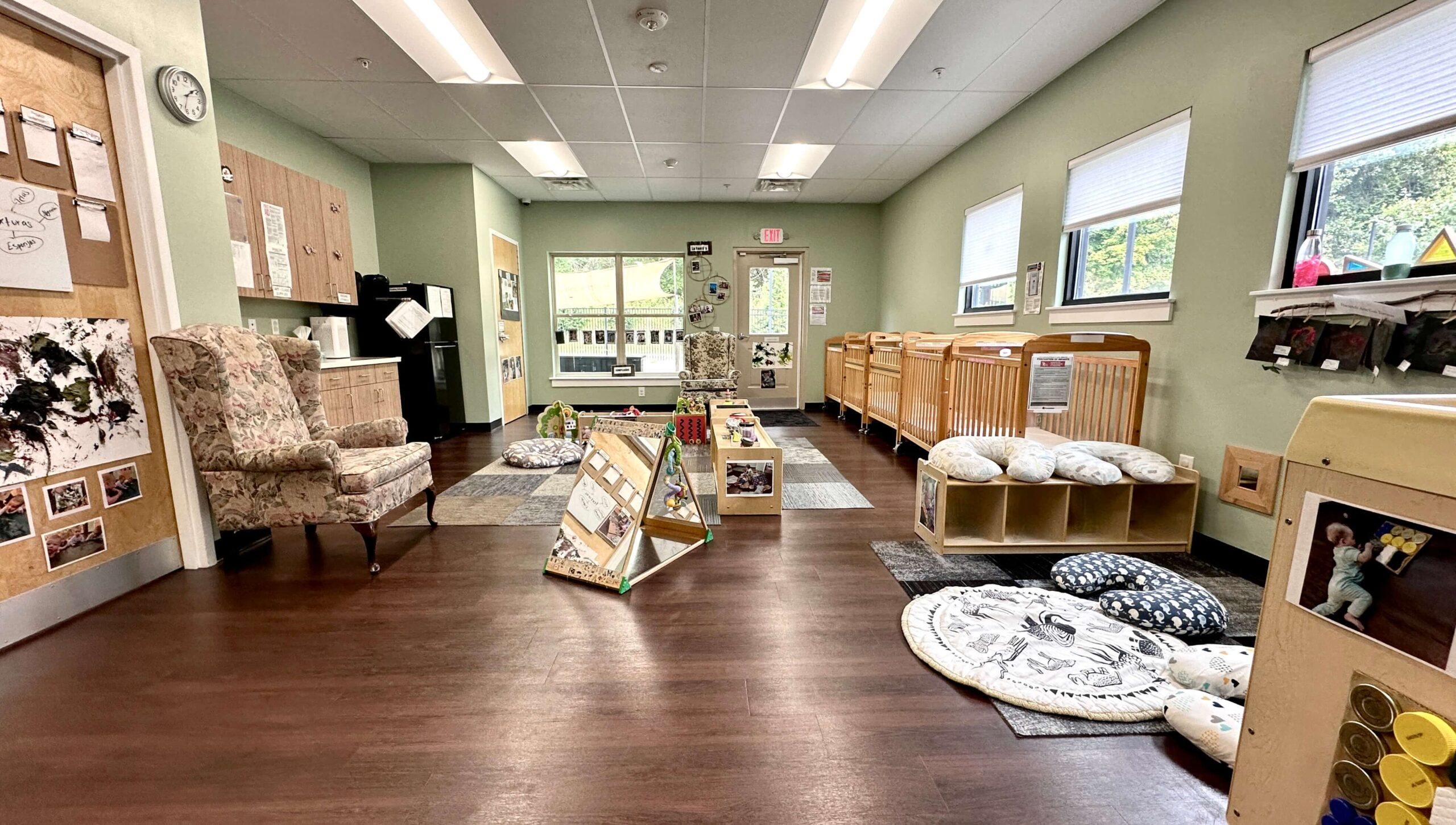
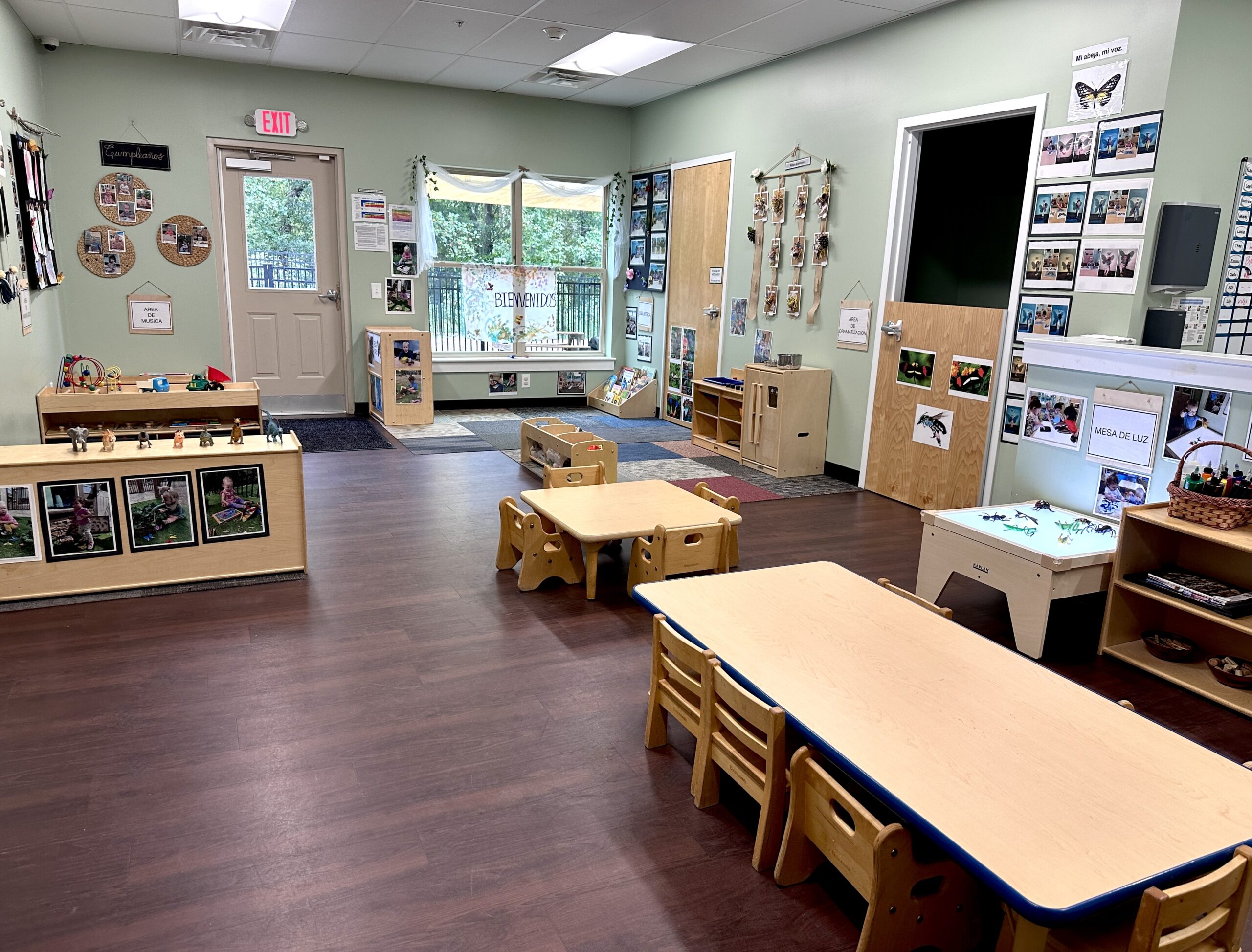
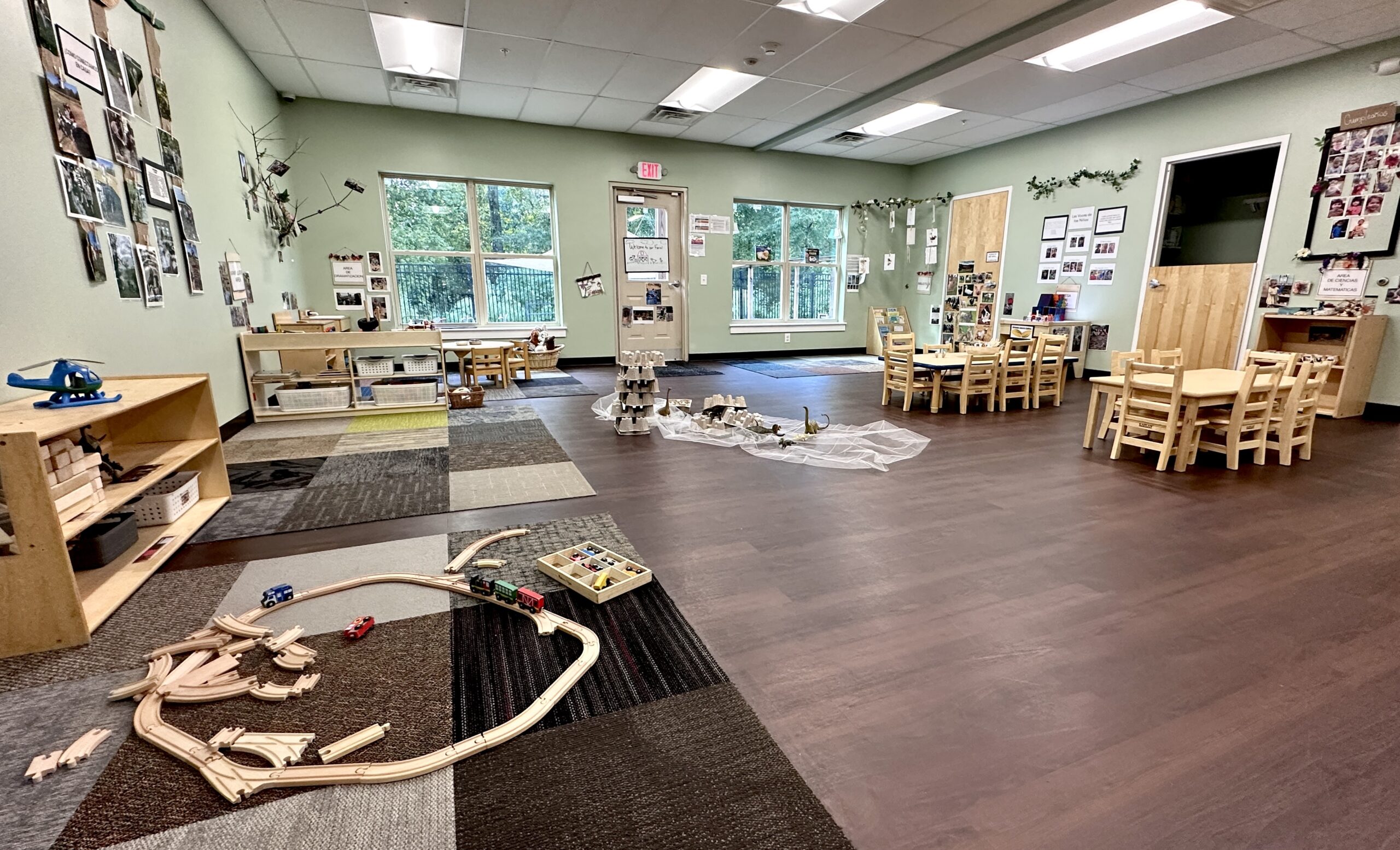
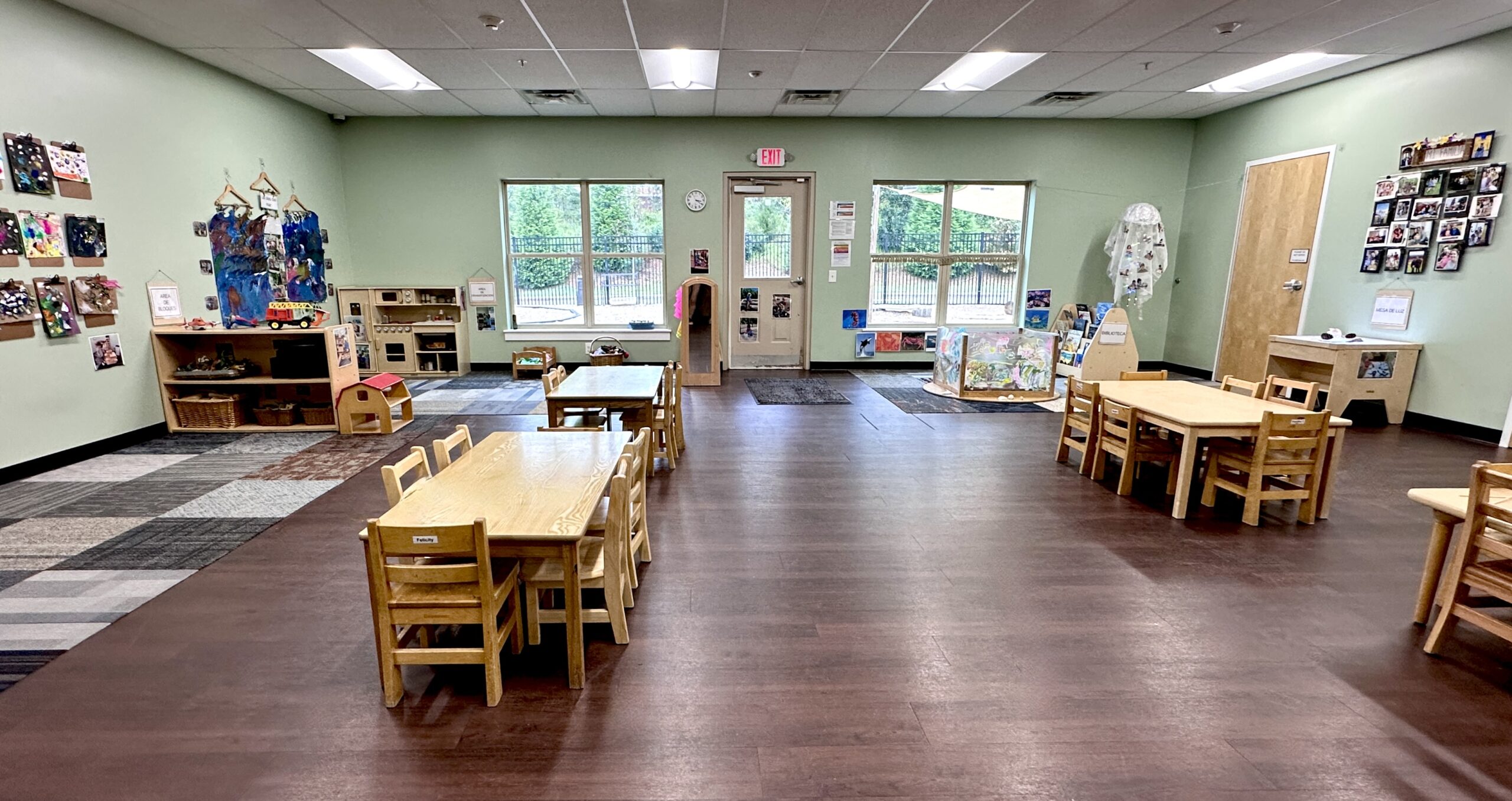
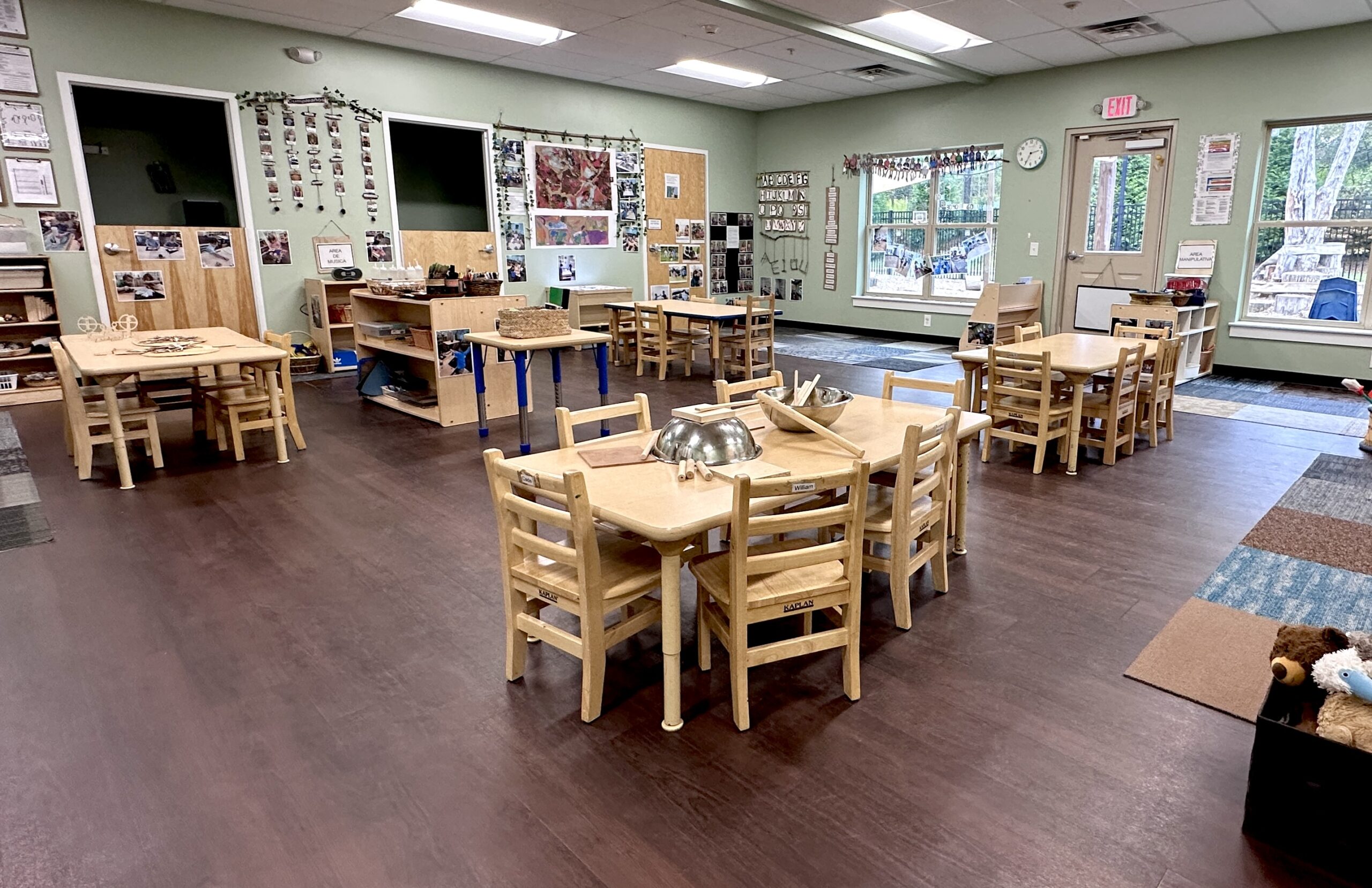
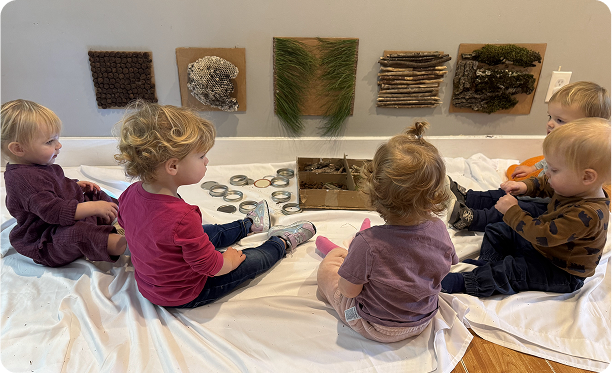
Our environments speak. They whisper possibilities, invite questions, and hold space for wonder. At Sounds and Colors, we embrace the Reggio Emilia principle of the environment as the third teacher—an active, intentional presence in the life of every child.
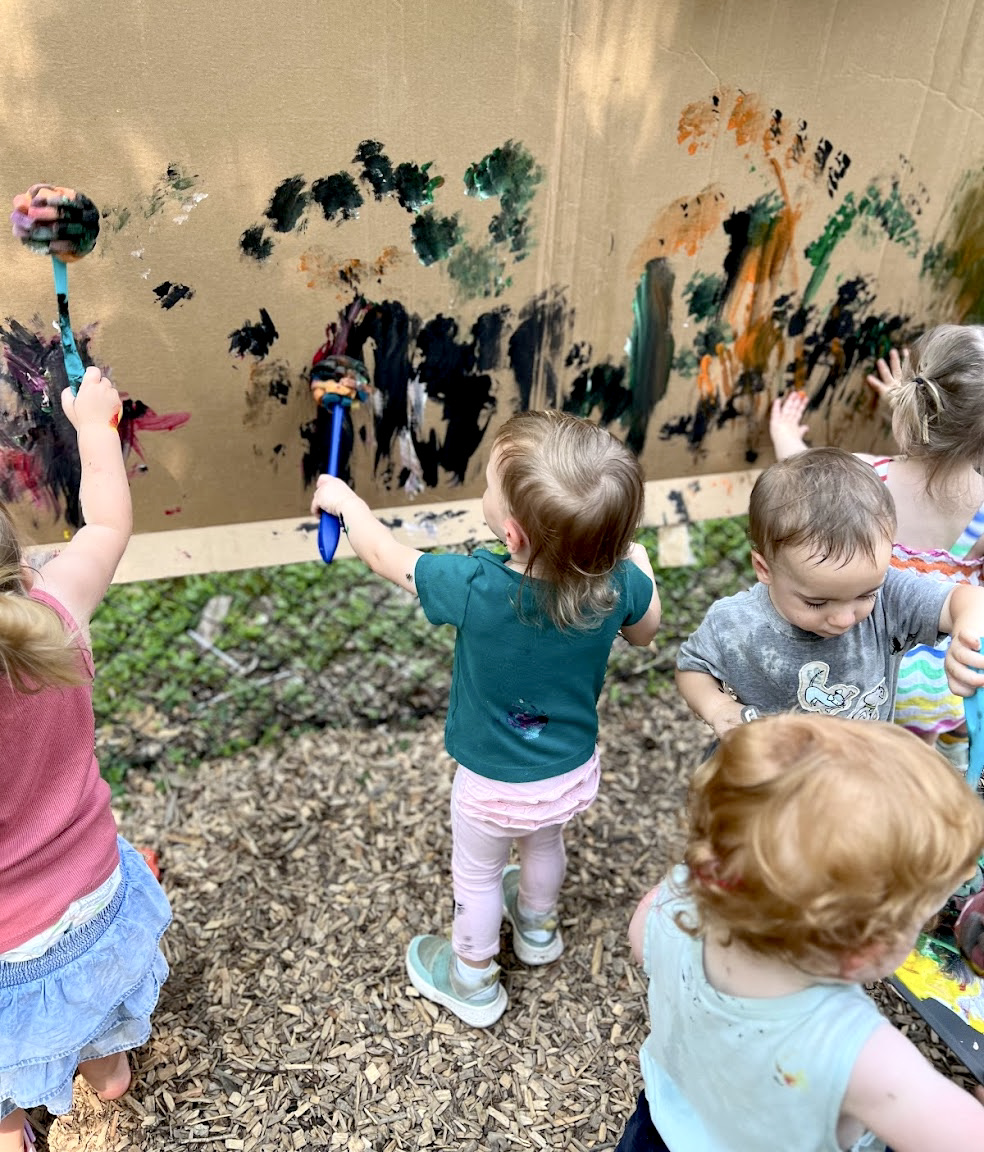
Each space is thoughtfully designed to offer children agency, encouraging them to move with confidence, make choices, and feel a sense of ownership. The walls and surfaces carry the traces of their learning journeys—marks of thinking, joy, and collaboration. In our classrooms, children are not just learners; they are co-authors of the space and the stories that unfold within it.


Learning Experiences
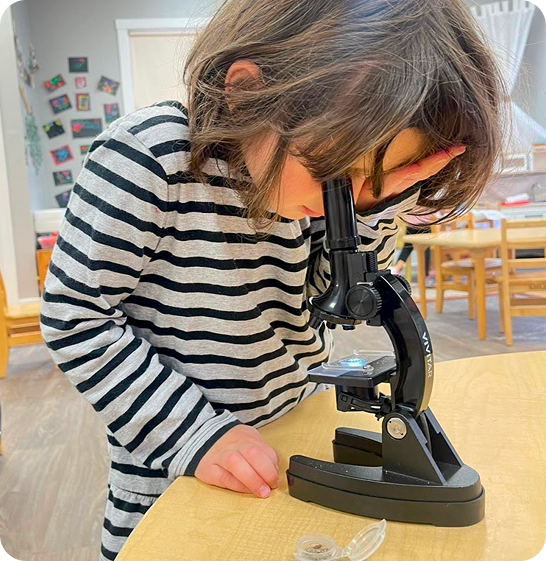
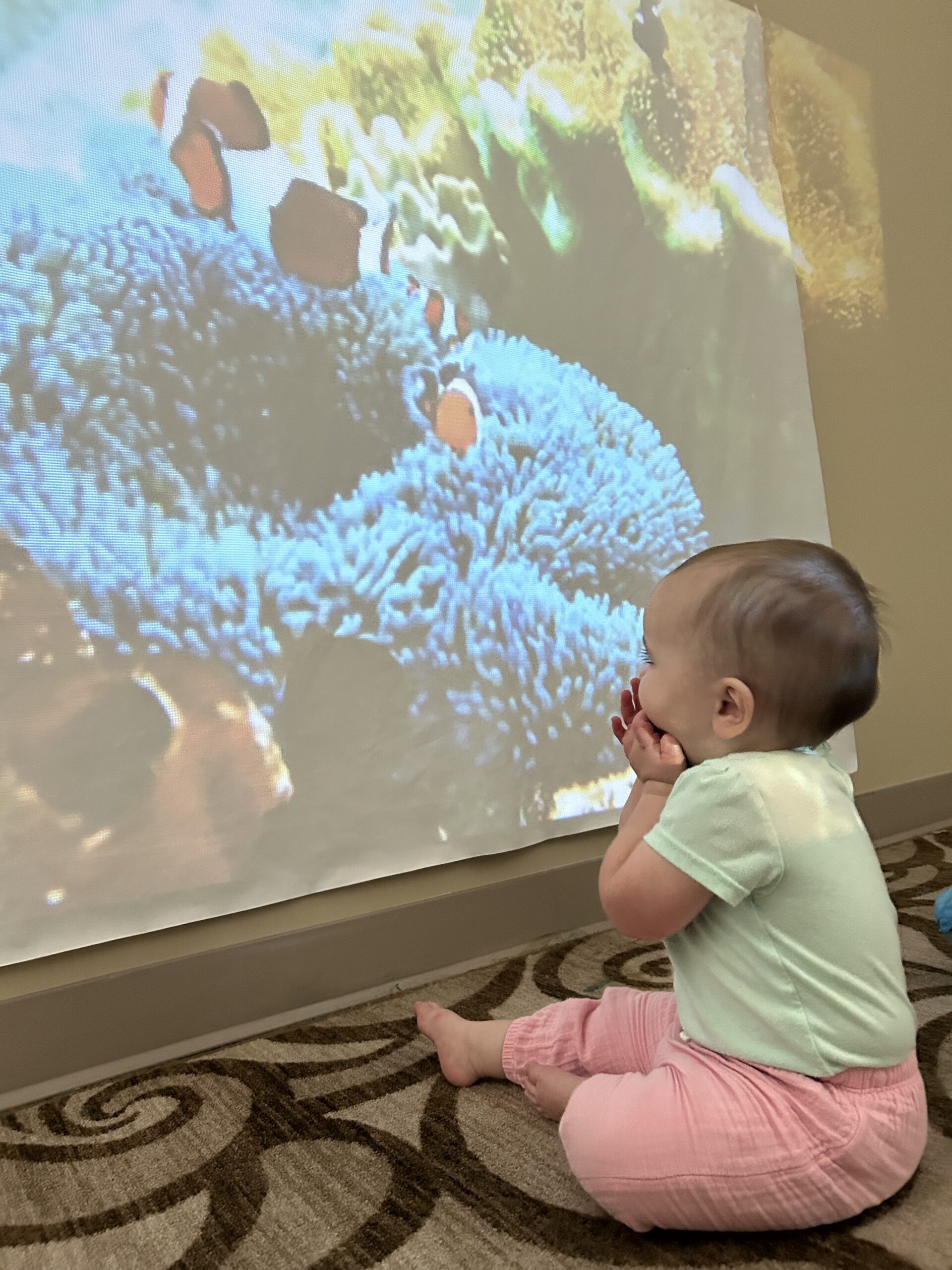
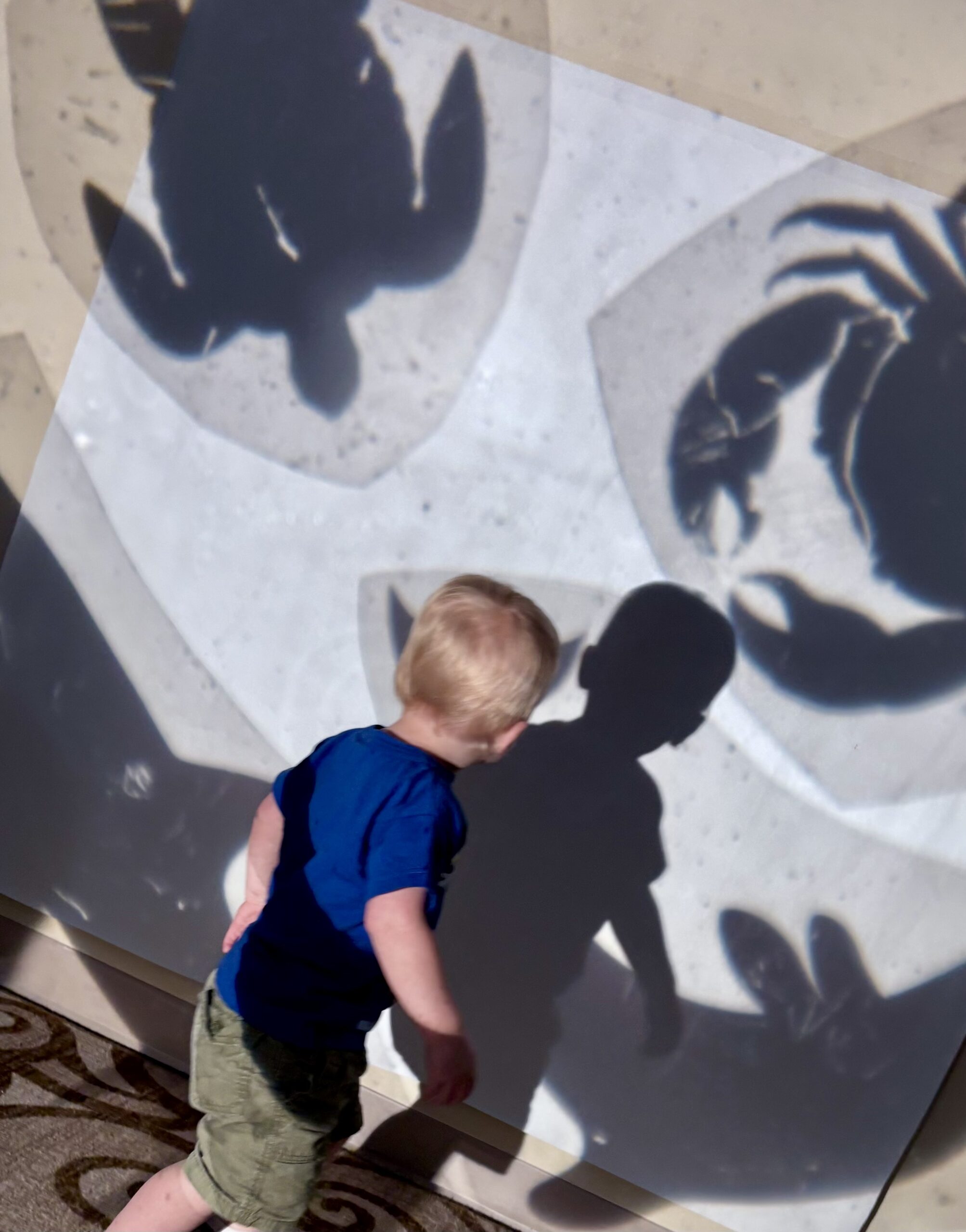
At Sounds and Colors, learning is a vibrant, living process—an ever-evolving dance between curiosity, connection, and discovery. Our experiences are not pre-packaged or scripted; they are co-constructed in real time by children and teachers as they investigate questions that matter to them. Projects emerge from the children’s voices, ideas, and fascinations, giving them true agency in their learning journey.
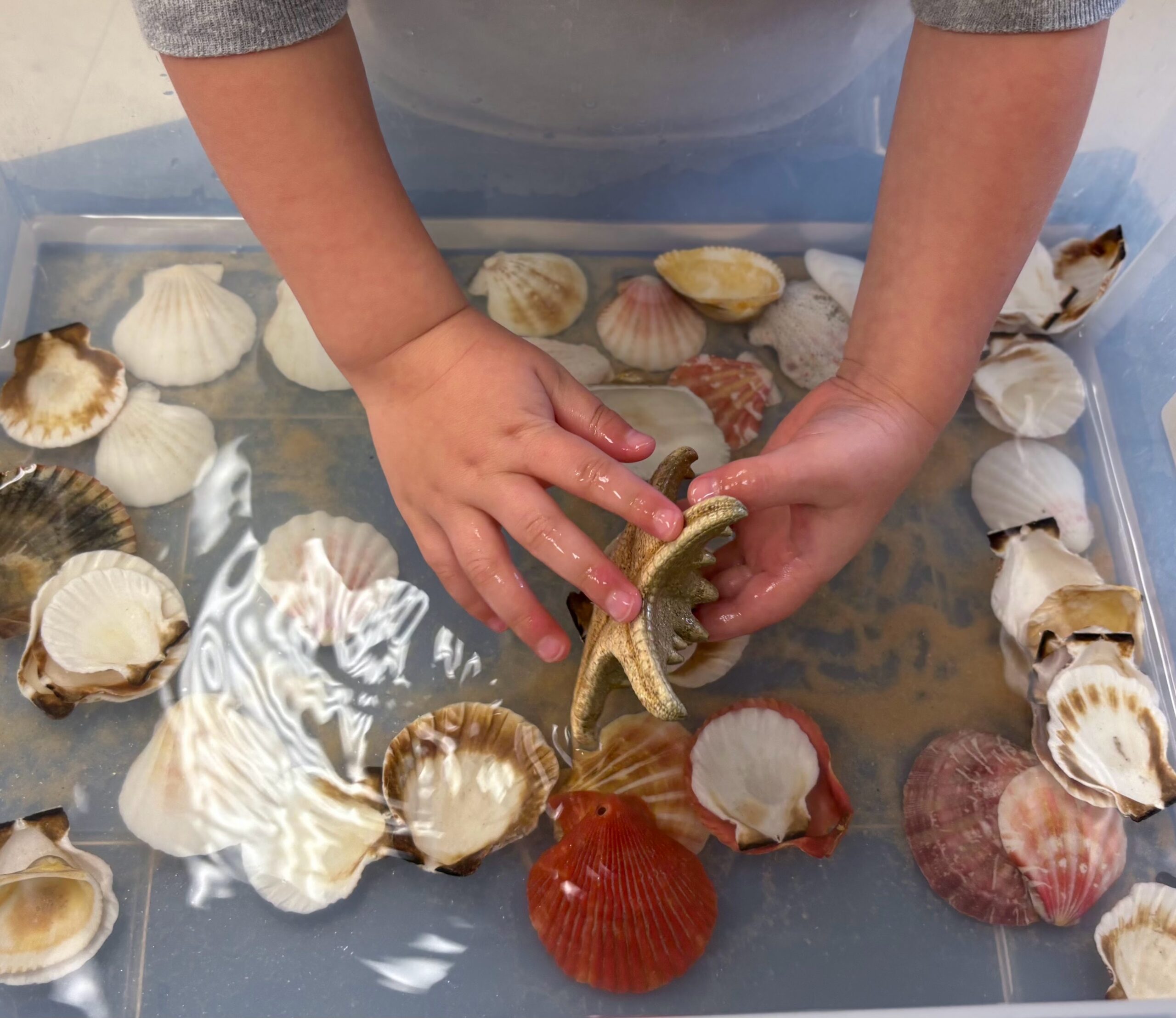
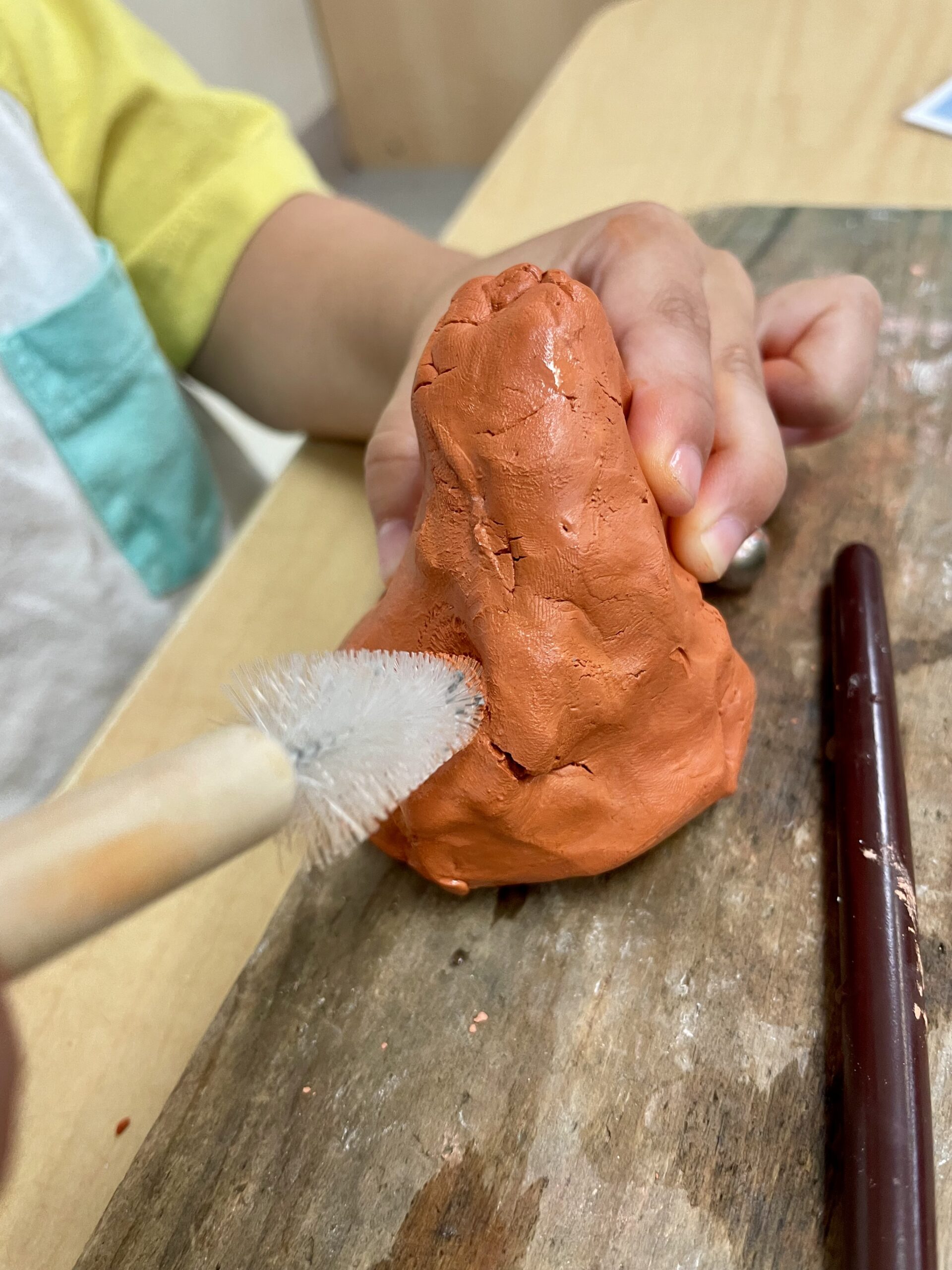
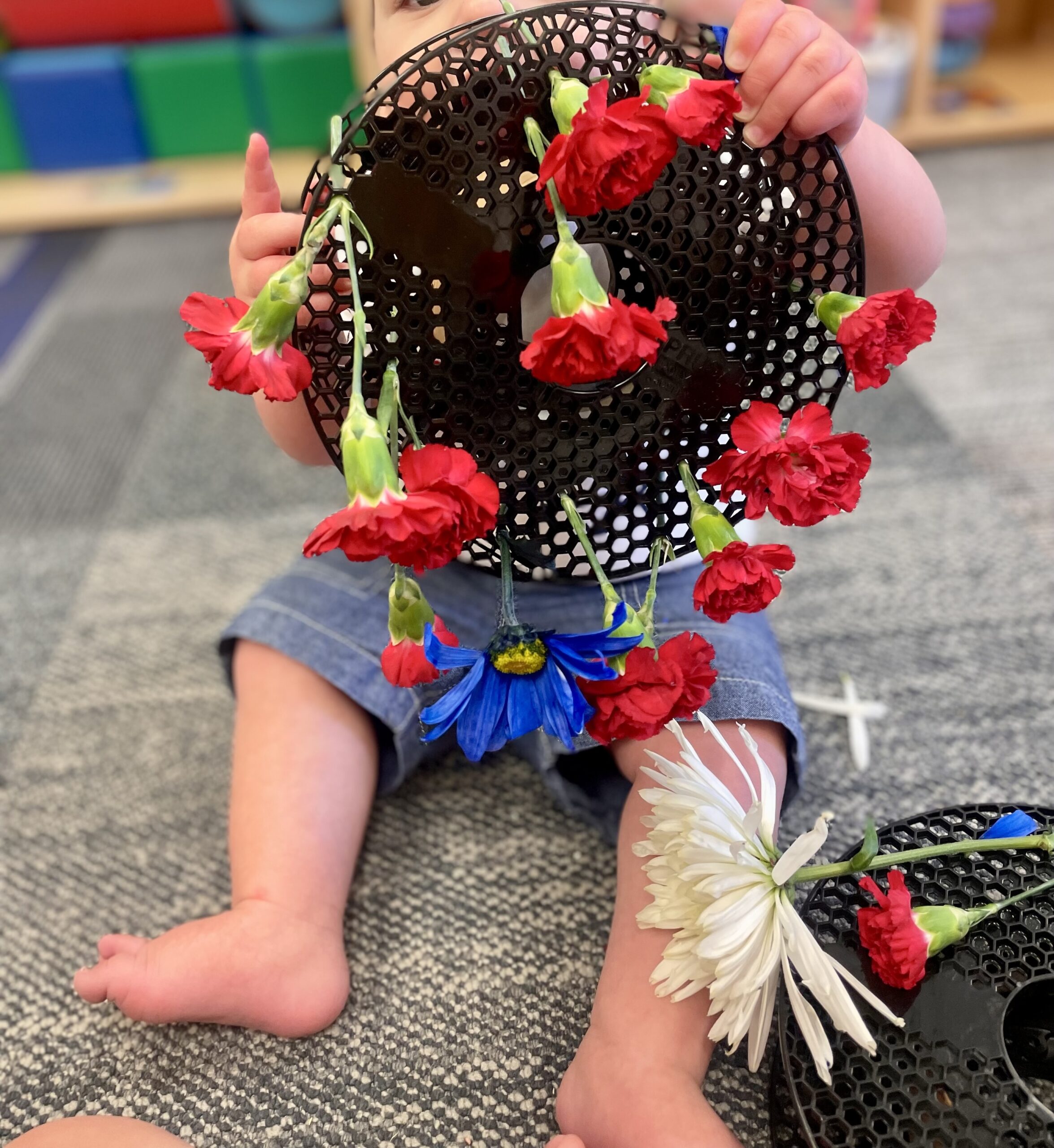
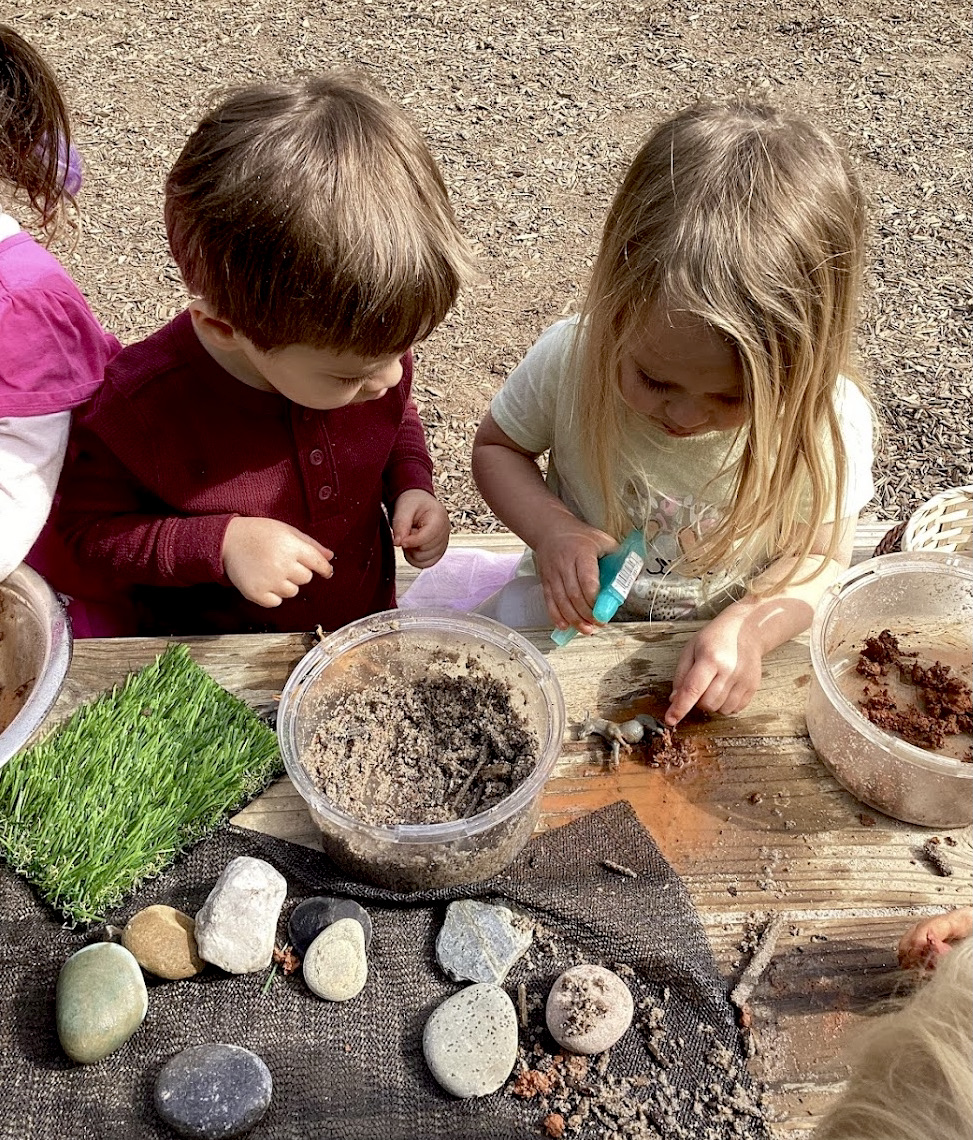
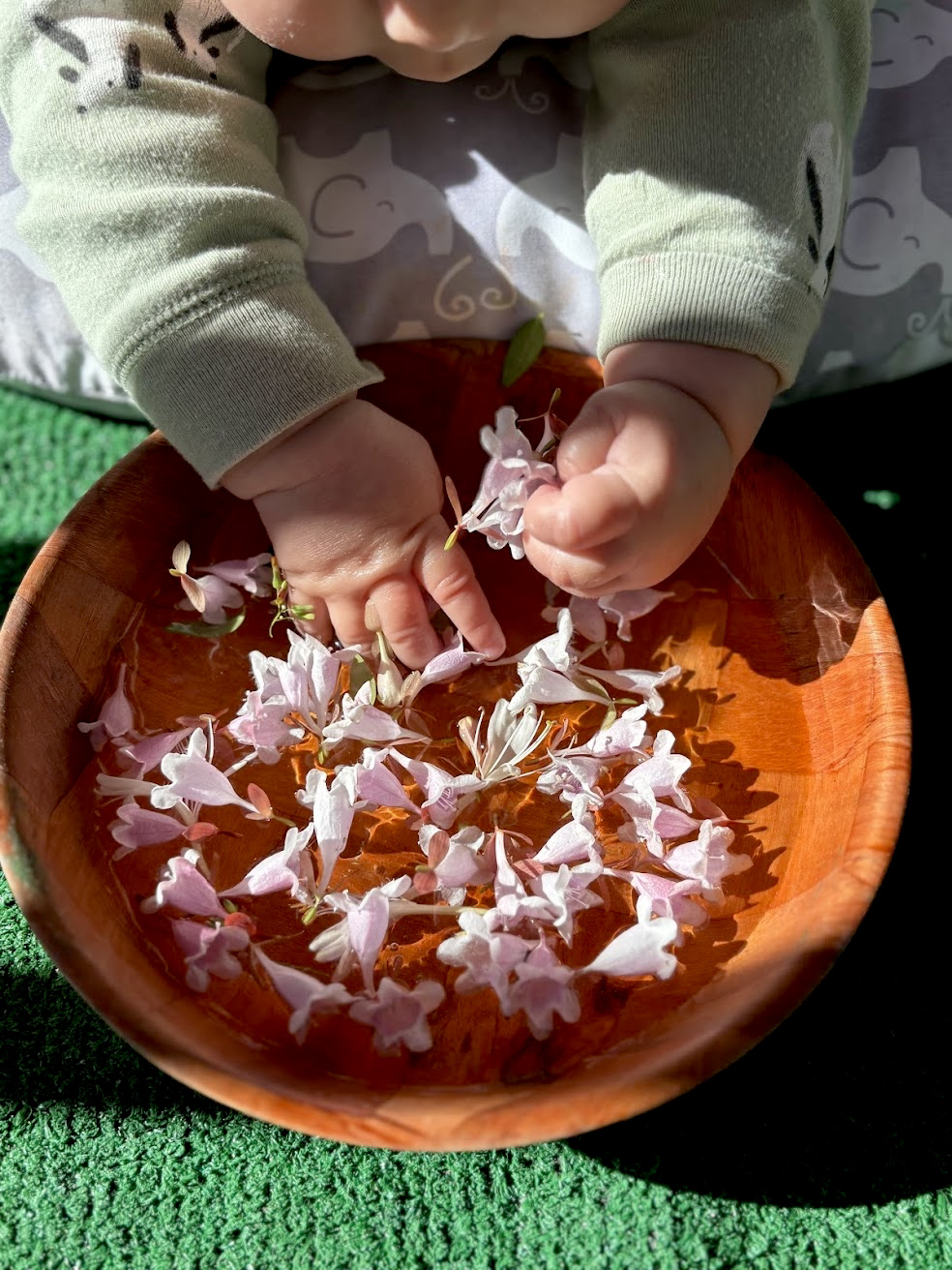
Our educators serve as keen observers and thoughtful companions, offering provocations and intelligent materials that invite children to explore complex ideas through play, dialogue, movement, storytelling, and artistic expression. Through hands-on investigations and long-term projects, children use materials to make sense of the world around them—to interpret phenomena, test hypotheses, and uncover meaning.
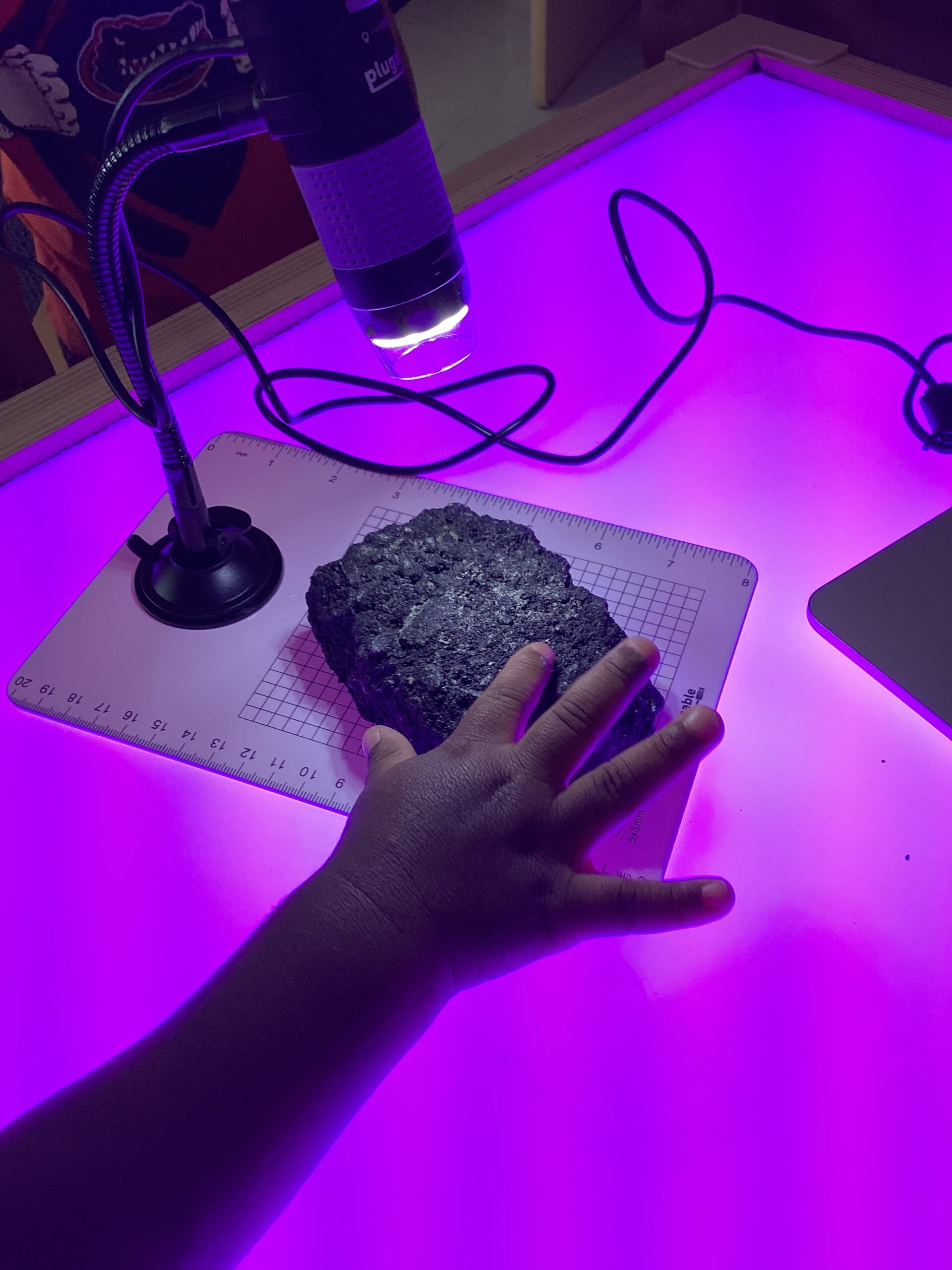
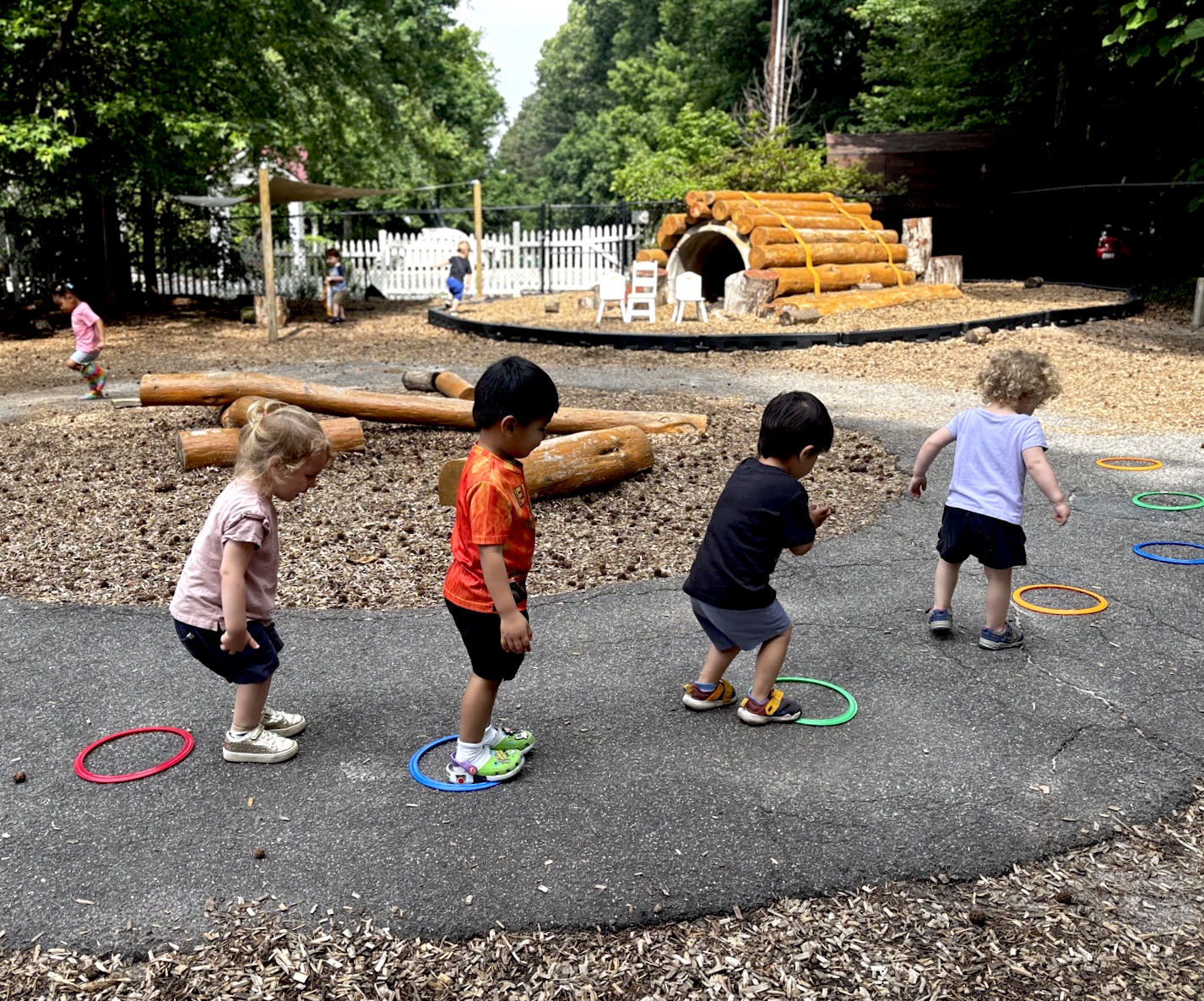
Learning experiences at Sounds and Colors honor all dimensions of development—scientific, mathematical, linguistic, social, emotional, and artistic. Classrooms are filled with conversation, collaboration, and joyful problem-solving. Language flourishes through storytelling and dialogue. Math is visible in patterns, rhythms, and spatial reasoning. Science emerges in the wonder of transformation, cycles, and cause and effect. The arts give voice to emotion and imagination.
Each day, children are invited to be researchers, makers, collaborators, and thinkers. We believe that learning is not simply preparation for life—it is life itself, unfolding with purpose, beauty, and depth in every moment.
Classroom Structure
Our Classrooms: A Continuum of Growth and Discovery
At Sounds and Colors, our classrooms are more than age-based groupings—they are dynamic, intentional communities where relationships, learning, and identity unfold over time. From El Nido (Infants) to our Pre-Kindergarten and Kindergarten Readiness groups, each space is thoughtfully designed to reflect and respond to the developmental needs, interests, and strengths of the children within it.
Frequently Asked Questions
What does "the environment is the third teacher" mean?
In the Reggio Emilia tradition, the environment is an active participant in children’s learning. At Sounds and Colors, classrooms are intentionally designed and arranged so children can see possibilities, make choices, and return to ideas over time. Every space is meant to say: you belong here, your ideas matter.
How is learning documented?
Documentation is one of the most distinctive parts of our Reggio Emilia-inspired practice. Educators observe children, photograph meaningful moments, and record their words and theories to reveal not just what a child did, but what they were thinking. Individual portfolios preserve this journey and travel with each child through their time at Sounds and Colors.